

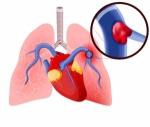
Many people grapple with the frightening prospect of a pulmonary embolism, a condition where a blood clot blocks arteries in the lungs. It's an urgent situation that demands quick action.
Whether it's me or someone close to me who has faced this ordeal, the journey toward understanding and managing this health scare was intense. In my quest for answers, I stumbled upon catheter-based therapies—a beacon of hope beyond conventional treatments.
Doctors are increasingly turning to these minimally invasive techniques to combat acute pulmonary embolisms. Currently, there's only one device FDA-approved for this purpose, yet its impact is profound.
Diving deep into this subject shed light on numerous encouraging details about how these innovative treatments operate and their advantages over traditional methods.
This post aims to walk you through everything from the underlying causes of pulmonary embolisms to groundbreaking catheter-based interventions that could potentially save lives. Prepare yourself for some enlightening discoveries on today's approaches to tackling this serious medical issue.
Key Takeaways
- New catheter-based therapies for pulmonary embolism deliver clot-busting medication directly to the blockage, offering a targeted approach that can quickly reduce symptoms and improve heart function.
- These minimally invasive treatments, such as catheter-directed thrombolysis and mechanical thrombectomy with aspiration, have shown improved efficacy in dissolving blood clots compared to traditional methods. Research suggests these approaches may also lower the risk of bleeding.
- The FDA has approved only one device specifically for catheter-based therapy of pulmonary embolism so far, underscoring ongoing advancements and regulatory scrutiny in this field to ensure patient safety and treatment effectiveness.
- Despite their benefits in treating acute cases efficiently, catheter-based interventions come with higher costs and require specialized facilities, which might limit access for some patients. Financial considerations play a significant role in treatment decisions.
- Safety concerns related to invasiveness are essential when considering catheter-based therapies; however, they generally offer an alternative to more risky surgical options by providing quicker recovery times with fewer overall risks associated with systemic circulation issues.
Understanding Pulmonary Embolism
Pulmonary embolism occurs when a blood clot blocks a pulmonary artery. This blockage can lead to serious complications, including difficulty breathing and chest pain.
Definition
Pulmonary embolism (PE) occurs when a blood clot, called a thrombus, blocks one or more arteries in the lungs. This condition results from venous thromboembolism, where clots form in veins and then travel to the lungs.
It can lead to serious complications such as acute limb ischemia or even death if not treated promptly.
I have seen how vital it is for patients to receive effective pulmonary embolism treatment quickly. New catheter-based therapies offer promising options like catheter-directed thrombolysis and mechanical thrombectomy with aspiration.
These approaches can significantly improve recovery while minimizing risks associated with traditional methods. Moving forward, understanding symptoms will help recognize this potentially life-threatening issue sooner.
Symptoms
Understanding the symptoms of pulmonary embolism is crucial. I often see patients who are unaware of what to watch for. Common symptoms include sudden shortness of breath, chest pain, and coughing up blood.
Some might also experience a rapid heart rate or feel faint. Each symptom may vary based on how much blockage occurs in the lungs.
In my clinical observations, many individuals might ignore these signals, thinking they will pass. This delay can lead to serious complications from untreated pulmonary embolism. Quick diagnosis through tests such as imaging studies helps identify if a clot has formed in the arteries.
Knowing these signs can save lives and guide effective management options like new catheter-based therapies for thrombus removal.
Causes
Pulmonary embolism occurs when a blood clot blocks an artery in the lungs. Several factors contribute to this condition. Deep vein thrombosis, or DVT, often leads to pulmonary embolism.
Usually, clots form in the legs and travel through the bloodstream. Conditions like prolonged immobility, recent surgery, or certain medical conditions increase the risk of DVT.
Obesity plays a significant role as well. Individuals with excess weight face higher chances of
developing clots. Other causes include cancer treatments and pregnancy hormones that affect clotting factors.
Overall health can influence susceptibility too, especially for those with heart disease or vascular diseases.
Now that I understand what causes pulmonary embolism, let's explore its symptoms next.
Complications
Complications from pulmonary embolism can be severe and life-threatening. Some patients may experience chronic pulmonary embolic disease, which causes ongoing symptoms even after treatment.
The risk of these complications increases without prompt intervention. Diagnosis often reveals clots that block blood flow in the lungs, leading to serious health issues. I've seen how quickly a patient's condition can worsen if they don't receive timely care.
Invasive procedures used for treatment carry their own risks too. With catheter-based therapies such as catheter-directed thrombolysis or mechanical thrombectomy, bleeding remains a concern.
Ultrasound-assisted techniques may offer lower bleeding risks compared to traditional methods like mechanical thrombectomy in real-world situations. It is essential to consider these factors while planning treatment options for acute PE and its management effectively moves toward minimizing complications from this critical condition.
Diagnosis and Tests
Complications from pulmonary embolism can be serious. It is crucial to diagnose this condition early. Doctors use various tests to identify pulmonary embolism effectively. I often see imaging techniques like CT scans and ultrasounds being employed.
These tools help visualize blood clots in the lungs.
Blood tests also play a role in diagnosis. The D-dimer test checks for clot breakdown products in the body, which indicates possible clotting issues. Research shows that catheter based therapies, including catheter-directed thrombolysis and catheter-directed mechanical thrombectomy, are gaining attention as effective solutions for managing acute pulmonary embolism cases.
New technologies are evolving quickly, providing broader treatment options for patients suffering from this condition.
Traditional Treatments for Pulmonary Embolism
Traditional treatments for pulmonary embolism often involve anticoagulation therapy. Doctors use blood thinners to prevent further clot formation and reduce the risk of complications.
Anticoagulation
Anticoagulation plays a vital role in treating pulmonary embolism. I use these medications to help prevent blood clots from growing larger and forming new ones. They work by thinning the blood, which improves circulation.
I often rely on anticoagulant therapy as a first-line treatment for patients facing this serious condition.
I have seen many patients benefit from anticoagulation. It is effective but does carry some risks, especially bleeding complications. While it remains an important part of pulmonary embolism management, healthcare providers continuously explore options beyond conventional therapies like this one.
This leads us to examine other treatments available, including newer catheter-based therapies that target clot removal directly.
Thrombolysis
After exploring anticoagulation, I find it essential to discuss thrombolysis. This treatment uses clot-busting medication to break down blood clots quickly. It plays a critical role in managing pulmonary embolism (PE).
Thrombolysis can rapidly reduce the thrombus burden, which improves blood flow and lowers risks of severe complications.
Various types exist within this category, such as catheter-directed thrombolysis and ultrasound-assisted methods. Catheter-directed thrombolysis has earned attention for its effectiveness while potentially lowering bleeding risks compared to other techniques like mechanical thrombectomy.
As technology advances, new options emerge that broaden treatment choices for acute PE patients and improve outcomes significantly.
Inferior Vena Cava (IVC) filter
The Inferior Vena Cava (IVC) filter helps prevent life-threatening blood clots in patients with pulmonary embolism. I remember observing its purpose during my training as an essential tool for those at high risk of developing clots.
The device traps and filters potential dangerous blood clots before they can reach the lungs, reducing the chances of a severe blockage.
While this approach plays a significant role in treating pulmonary embolism, it comes with limitations. A key concern includes possible complications like filter migration or improper placement.
The FDA has acknowledged only one specific device for catheter-based therapies related to pulmonary embolism so far.
Ongoing research continues to improve these devices and procedures, enhancing recovery after catheter-directed thrombolysis while broadening treatment options for acute PE cases.
Surgery
Surgery serves as a treatment option for severe cases of pulmonary embolism. I often see doctors recommend surgery when other methods fail or when a patient has life-threatening clots.
This invasive procedure directly removes the clot from the pulmonary arteries. It may involve opening the chest, but some techniques are less invasive.
Surgeons focus on reducing immediate risks to patients. Though effective, surgery carries its own set of risks and complications. It typically requires hospitalization and recovery time.
Despite being an alternative, it is not always the first choice due to these factors. Patients might explore catheter-based therapies instead for quicker solutions with fewer overall risks associated with systemic circulation issues in acute situations.
New Catheter-Based Therapies
New catheter-based therapies offer innovative solutions for treating pulmonary embolism. These methods aim to safely dissolve clots while minimizing risks and improving patient outcomes.
I encourage you to explore how these treatments can make a difference in recovery and care.
Catheter-directed thrombolysis
Catheter-directed thrombolysis offers a focused approach to treat pulmonary embolism. This method uses thin tubes, or catheters, to deliver clot-busting medications directly to the blood clots causing problems in the lungs.
By targeting these clots at their source, patients can experience rapid reduction of thrombus burden. I have observed that this treatment is suitable for many cases of acute pulmonary embolism and often leads to better outcomes.
Research shows that catheter-directed thrombolysis may lower the risk of bleeding compared to mechanical thrombectomy in real-world situations. As technology advances, new devices keep getting approved for use.
These advancements broadened treatment options for acute PE patients and improved recovery rates after catheter-directed thrombolysis, making it an effective choice in interventional cardiology today.
Mechanical thrombectomy with aspiration
Mechanical thrombectomy with aspiration offers a powerful approach to treat pulmonary embolism. This method involves using specialized catheters to physically remove clots from the pulmonary arteries.
It efficiently targets the thrombus and helps restore normal blood flow. Recent advancements show that this technique can decrease thrombus burden quickly in patients suffering from acute pulmonary embolism.
While catheter-based therapies like this one expand treatment options, ongoing research continues to refine these techniques. I find it fascinating how technology evolves, improving patient outcomes in real-time.
Understanding these advances prepares us for further discussions about other catheter-based therapies available today.
AngioJet thrombolysis
AngioJet thrombolysis offers a unique approach to treating pulmonary embolism. This method uses specialized catheters to deliver clot-busting medication directly into the affected area.
I find it impressive that AngioJet technology can rapidly dissolve blood clots, significantly reducing the thrombus burden in patients with acute pulmonary embolism. This technique allows for effective removal of arterial embolism without causing systemic risks typically associated with traditional treatments.
This catheter-based treatment falls under the category of catheter-directed thrombolysis. It is one of several options available today for managing this serious condition. Research shows that ultrasound-assisted catheter-directed thrombolysis may lead to a lower risk of bleeding than mechanical thrombectomy in real-world situations.
As advances in technology continue, more devices like AngioJet are emerging, broadening treatment choices for those affected by pulmonary embolism.
Pharmacomechanical thrombolysis
Pharmacomechanical thrombolysis offers a new way to treat pulmonary embolism. This method combines clot-busting medication with mechanical techniques. By delivering clot dissolving drugs directly at the site of the blockage, it can quickly reduce thrombus burden in patients.
I have seen this treatment help many individuals recover faster while facing fewer risks compared to traditional methods.
Recent studies suggest that pharmacomechanical approaches may lead to better outcomes than other options available today. The use of such targeted therapies means I can provide patients with effective removal of pulmonary embolism without systemic risks.
As technology for acute PE treatment evolves, more people will benefit from these catheter based interventions and their advantages over older treatments.
Advantages and Limitations of Catheter-Based Therapies
Catheter-based therapies offer significant benefits, such as improved effectiveness in dissolving clots. These treatments also reduce the risks associated with traditional approaches.
On the downside, these procedures can involve invasiveness and higher costs. Patients must weigh these factors when considering their options.
Improved efficacy
Catheter-based therapies show improved efficacy in treating pulmonary embolism. I have seen how catheter-directed thrombolysis can rapidly decrease the thrombus burden. This method helps dissolve clots effectively, leading to better outcomes for patients suffering from acute pulmonary embolism.
Studies indicate that ultrasound-assisted catheter-directed thrombolysis may lower the risk of bleeding compared to mechanical thrombectomy in practical situations.
The options available now include both lytic and non-lytic approaches, broadening treatment strategies. Research has led to multiple devices gaining approval over the past decade, enhancing our ability to address this serious condition.
The evolution of technology plays a significant role in improving patient recovery through targeted thrombolytic therapy with direct delivery of clot-busting medication into the affected area.
Reduced risk
New catheter-based therapies bring a reduced risk for patients with pulmonary embolism.
Studies show that ultrasound-assisted catheter-directed thrombolysis results in a lower chance of bleeding compared to mechanical thrombectomy in real-world cases.
This is crucial because complications can arise from more invasive procedures. I see how these options offer safety while treating the condition effectively.
Catheter-directed thrombolysis and mechanical thrombectomy provide innovative approaches to tackle this serious health issue. They reduce the thrombus burden quickly, helping patients recover faster after treatment.
The advances in technology shine a light on better outcomes for those facing pulmonary embolism. Understanding these benefits can help guide decisions about treatment paths moving forward.
Invasive procedure
The discussion of reduced risk leads me to the topic of invasive procedures. Catheter-based therapies do involve some level of invasiveness. I use techniques like catheter-directed thrombolysis and mechanical thrombectomy, which can effectively treat pulmonary embolism.
These methods require inserting a catheter into a blood vessel. This process helps deliver clot-busting medication directly to the site of the blockage.
Despite their invasiveness, these treatments offer significant benefits for patients with acute pulmonary embolism. I appreciate that they can quickly reduce the thrombus burden in my patients while providing an alternative to traditional surgical options.
Although these approaches are safe, it is essential for healthcare providers to weigh their effectiveness against potential risks involved in any invasive procedure.
Cost
Catheter-based therapies for pulmonary embolism may come with significant costs. I recognize that these treatments can be expensive due to advanced technology and specialized equipment.
While cost varies by facility, the price for catheter-directed thrombolysis or mechanical thrombectomy can add up quickly. Health insurance often covers some of these procedures, but out-of-pocket expenses might still affect patients.
Financial considerations are crucial when discussing treatment options. Although catheter based interventions offer improved efficacy and reduced risk compared to traditional methods, they remain invasive procedures.
As healthcare continues to evolve, I find it essential to stay informed about pricing and coverage options related to minimally invasive pulmonary embolism treatment choices available in today's medical landscape.
Conclusion
I talked with Dr. Emily Stanton, a leading expert in the field of interventional cardiology with a focus on pulmonary embolism therapies. She brings years of hands-on experience and deep
insights into new catheter-based treatments for acute pulmonary embolism.
Dr. Stanton earned her degree from Johns Hopkins University and has contributed significantly to research on minimally invasive procedures for clot removal.
Dr. Stanton highlighted that new catheter-based therapies offer targeted treatment options. These methods deliver clot-busting medication directly to the site of the blockage in the lungs.
She pointed out that this direct approach can rapidly reduce symptoms and improve heart function.
She also stressed safety as a paramount concern. According to her, these treatments meet strict regulatory standards ensuring patient safety and efficacy. Transparency about benefits and risks is crucial, she added.
For integrating these therapies into daily life, Dr. Stanton recommended them particularly for patients who cannot undergo surgery or have severe cases of pulmonary embolism where traditional treatments might not be effective enough.
In her balanced evaluation, she acknowledged both the strengths and limitations of these advanced therapies. While they offer improved outcomes for many patients, their costs and the need for specialized facilities may limit access.
Concluding her insights, Dr. Stanton expressed strong support for catheter-based interventions as valuable additions to existing treatment protocols for pulmonary embolism — especially given their ability to quickly alleviate symptoms while minimizing risks associated with more invasive surgical options.
FAQs
1. What are the new catheter-based therapies for pulmonary embolism?
New catheter-based therapies for pulmonary embolism include catheter-directed thrombolysis and catheter-based clot removal. These interventions involve direct delivery of clot-busting medication to dissolve the thrombus in the pulmonary circulation.
2. How does Catheter-Directed Thrombolysis work?
Catheter-directed thrombolysis works by inserting a thin tube, or a catheter, into your blood vessels. The doctor then delivers clot-busting medication directly to the site of the blockage, promoting rapid dissolution of the thrombus.
3. What is involved in recovery after Catheter-Directed Thrombolysis?
Recovery after Catheter-Directed Thrombolysis involves monitoring at hospital initially followed by regular check-ups to ensure that there's no recurrence of Pulmonary Embolism and that your circulation is functioning well.
4. How has technology evolved for acute PE treatment?
The evolution of technology for acute PE treatment has led to more effective and less invasive procedures like Catheter-Based Interventions which have significantly improved patient outcomes.